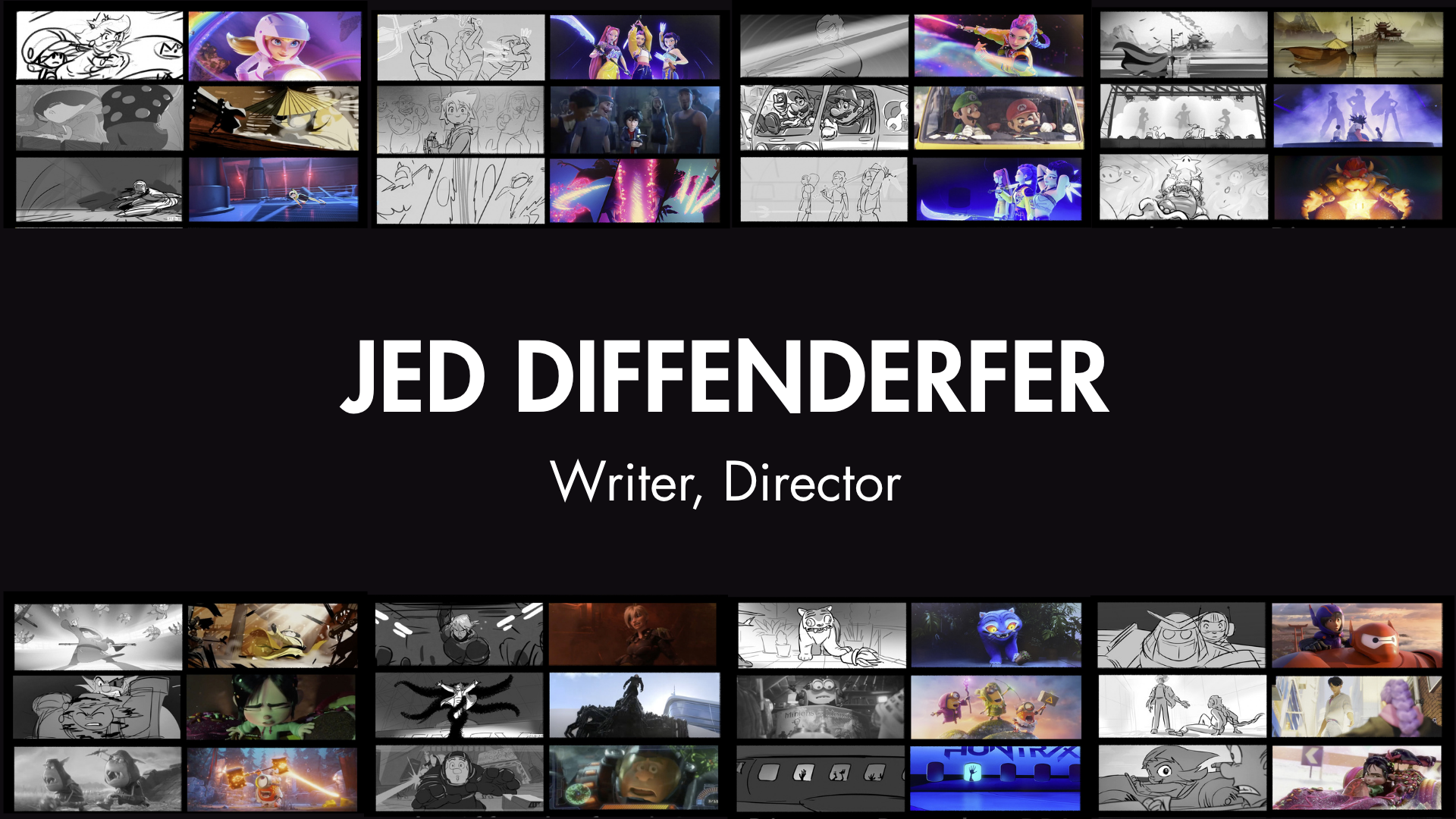
Jed Diffenderfer
Writer, Director
I’m a writer‑director with a quarter century of story development experience in feature animation. From Kung-Fu Panda to KPOP Demon Hunters, I’ve led in the creation of original character personas, narratives, world-building, and iconic cinema that have become box‑office successes, award‑winning franchises, and foundational studio IP.
A recent example - I served as Head of Story on KPOP Demon Hunters, a leading role shaping the film’s unique tone, character personas, action-musical conceits, story direction, and overseeing a story team while writing & storyboarding several tentpole sequences myself as well. The film went on to become Netflix’s most‑watched film of all time, a cultural landmark, a Criterion Collection entry, and the winner of multiple major awards including the Academy Award for Best Animated Feature.
I now focus on writing and directing for studio projects in development, with an emphasis on narrative architecture, worldbuilding, and original IP creation.
SAMPLES
Decades of Story Experience
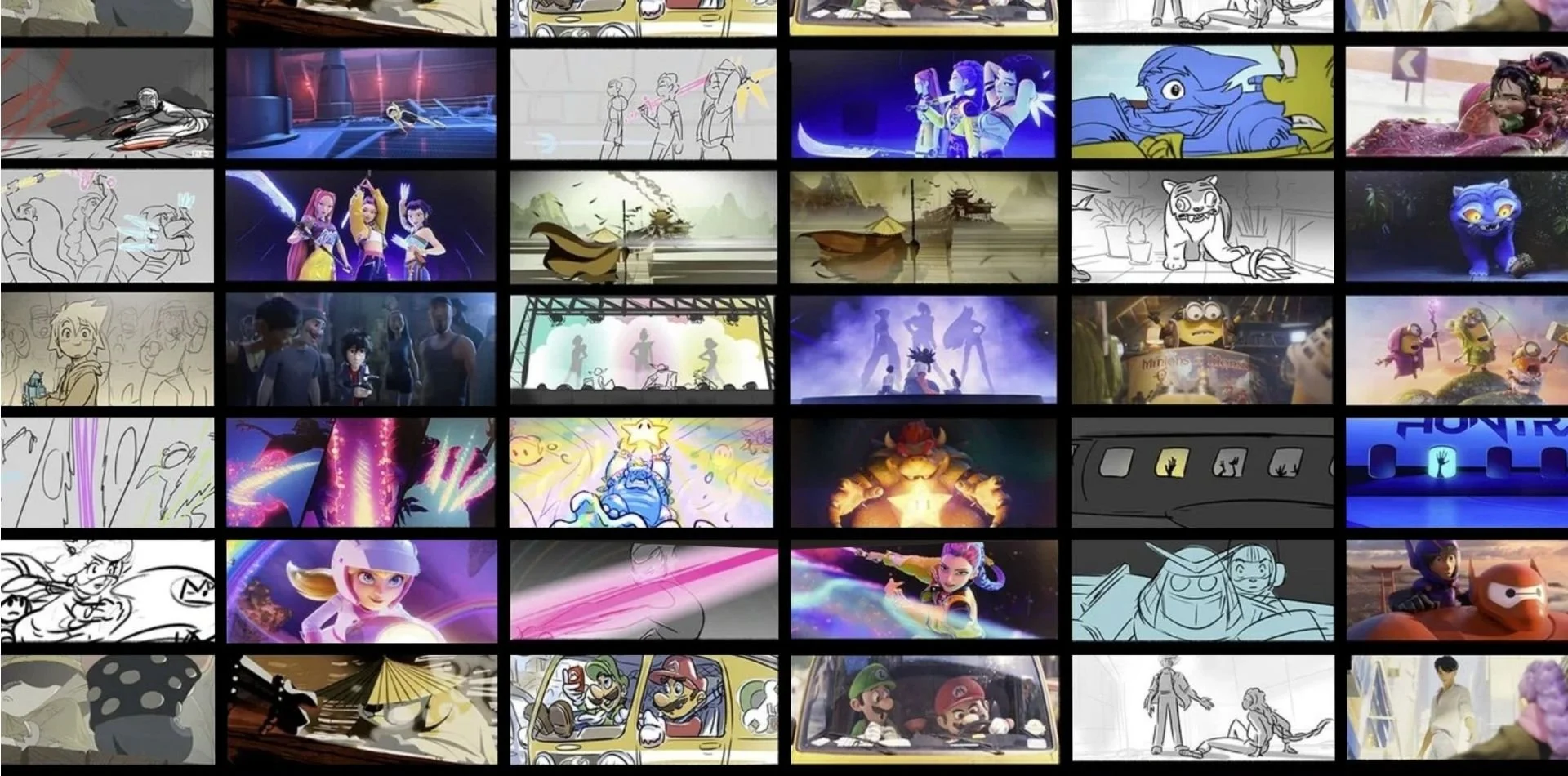
My foundation comes from decades in the story departments of Sony, Pixar, Illumination, Disney, DreamWorks, and more - shaping the creation of characters, worlds, and their narratives from the blank‑page stage through studio development. Ex: Kung Fu Panda, Wreck‑It Ralph, Big Hero 6, The Secret Life of Pets, The Super Mario Bros. Movie, K‑Pop Demon Hunters, etc.


Character & Worldbuilding
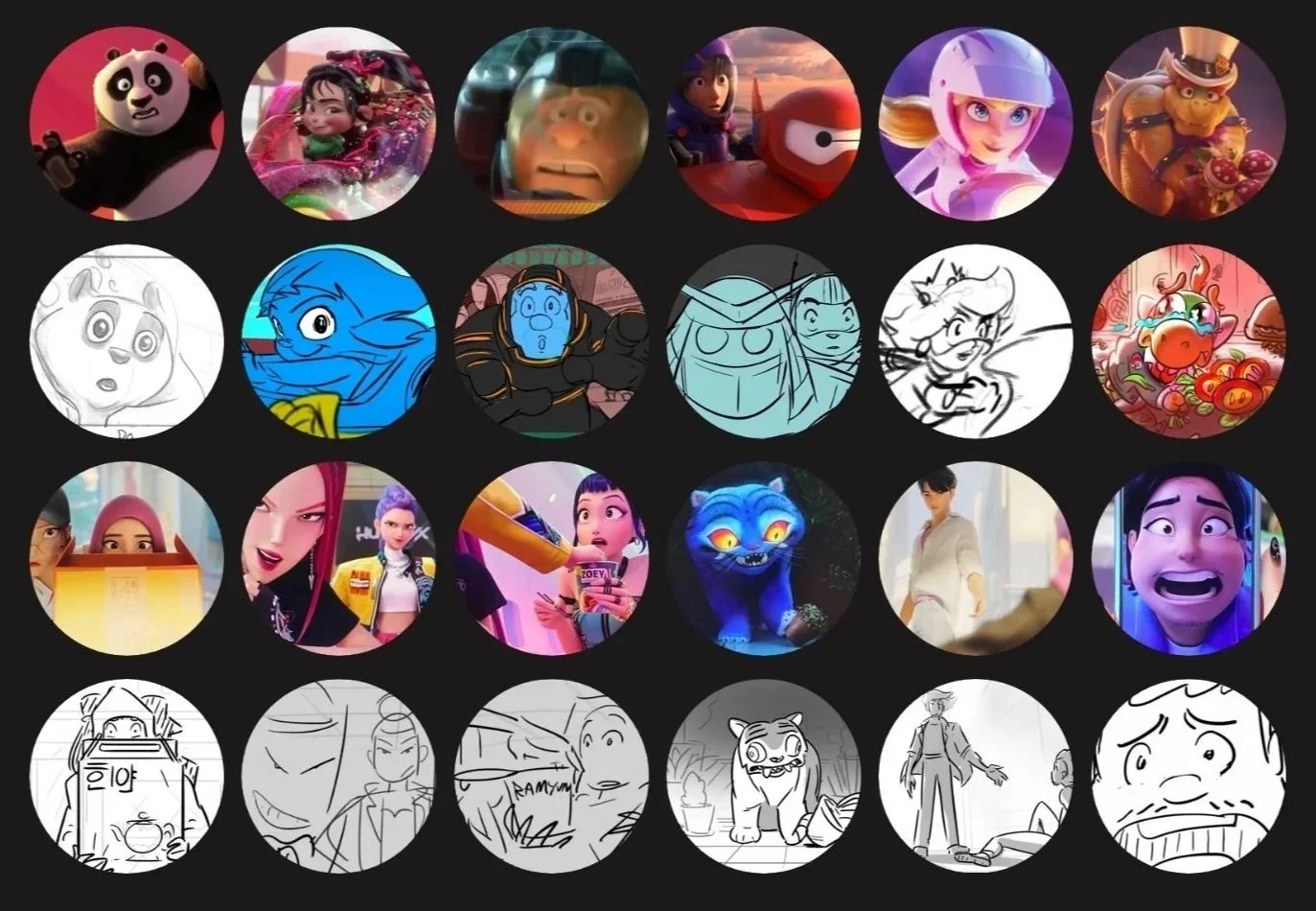
A central part of our story work is creating original characters from blank page into sketches of living personas, and hopefully a beloved household name around the world when people see it realized on screen. Understanding what makes a character and their world appealing and entertaining, worth returning to, and has the key elements a professional voice-talent can work with is something I have learned to excel at consistently whenever the opportunity arises - thanks to the many years of experience working with, and being mentored by some of the absolute best people in the business.
Examples of character story & persona development from past films
Writing & Sketching
As a I kid I loved making movies, but to get permission to borrow a camcorder I had to explain what I was going to do with it. So, I would write out my stories as a blend of text and sketch to pitch with. Sometimes to simply show the shot, but also to demonstrate how I would be getting that shot by running it across roofs, swinging it from ropes, tying it to my bike etc (yes, those shots would be cut). So, animation became a more practical medium for the stories I was telling, and during college (mid 90’s) I had classes with founders of Pixar’s story department and learned that this method of writing was an entire career called ‘story artist’. I was all in.
In short, Story Artists are writers – who also draw. Not to be confused with ‘Storyboard Artist” (art dept) focused on visualizing an existing script, a “Story Artist” (story dept) also helps to create that story & script as a blend of ‘Staff-Writer’ (Writing, re-writing, and developing characters, worlds, and storylines), and a ‘Unit-Director’ focused on one section of the film at a time - all under the direction of the primary film director(s). Once approved, we adapt the storyboards and dialogue to traditional screenplay form for V.O. recordings (though sometimes we just use the story pitch), then a script coordinator compiles those pages into a central screenplay document overseen by the films producers, directors, and lead screenwriters.
Writing with/as sketches reduces the ‘margin of misinterpretation’, and lets us work more directly in a cinematic medium (pictures and sound). This way everyone is literally seeing the same film before we enter production and not just crossing our fingers, hoping we all imagined the same thing (usually meaning something familiar vs new). It’s been the norm for nearly 100 years at feature animation studios (where we can’t rely on actors and…reality in general to fill in the gaps), but you might also recognize it as the Disney/Pixar model, or “Hayao Miyazaki Style” writing. It’s a demanding ‘many hats’ role, but an incredible foundation to come up in.
These days I do more traditional writing, but still lean on sketching and pitching if I’m directing.

Vocal Performance & Talent Direction
As an extension of my story and character development work, I perform scratch voices for our films and have experience casting, directing, and reading with A-List talent as well.
Now Playing
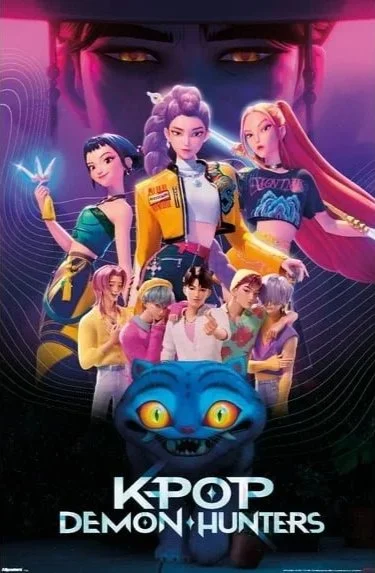
KPOP Demon Hunters
Head of Story, Writer, Story Director
Hired from Pixar to be Head of Story for KPOP Demon Hunters in 2022. Maggie and Chris asked me to also help write and co-direct the film with them, based on an original story concept of Maggie’s. I oversaw assembly of our first screening draft so we could launch artists, then built that story department, hired a story team I was asked to also train. I oversaw the first story in our first two screening cycles of story development, an unprecedented amount of which ended up in the final film from the very first outing.
KPOP Demon Hunters became the most watched film on Netflix of all time, becoming an international, award-winning phenomenon that has now spawned sequels, spinoffs, and games, a criterion collection entry.
“Original Pixar Feature Film”
Story Lead
While at Pixar, I helped out early on Inside Out 2, and Hoppers, but most of my time was spent as Story Lead on an Original “Magical Girl” genre action-comedy at Pixar (Sailor Moon/Pen15).
This was all remote, during the Covid era, so later on when it became clear my family and I couldn’t afford to relocate to the Bay Area, I arranged a smooth roll-off and left for and offer as Head of Story for KPOP Demon Hunters at Sony.
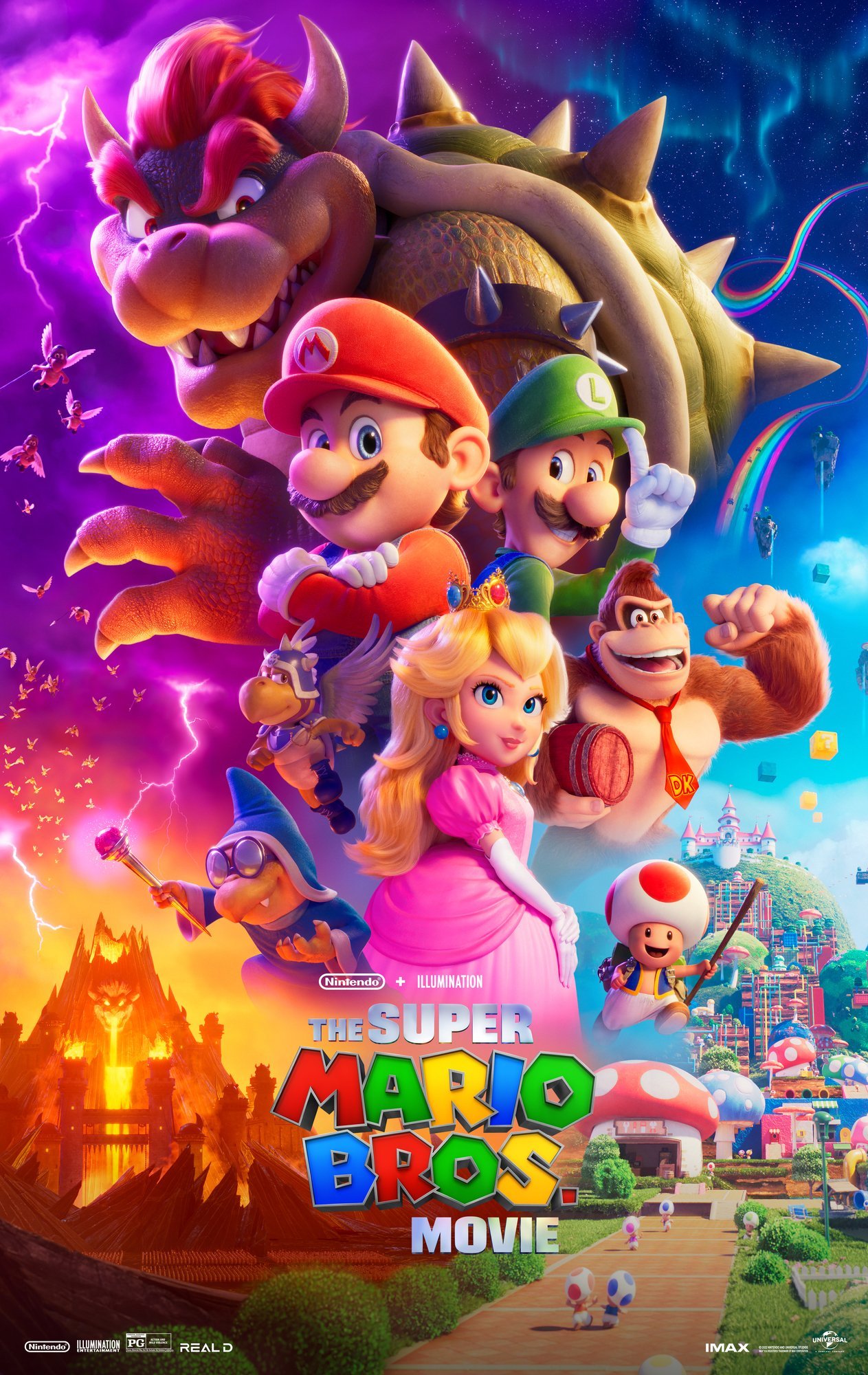
Super Mario Bros Movie
Story Development, Story Artist
I was brought onto the Super Mario Bros Movie in early development to help create a pitch that ultimately earned Illumination the greenlight from Nintendo and Miyamoto-san to create the film. In a first, Illumination continued using my work from the first film as material for sequels, hence the prohibition from sharing much publicly.
The Super Mario Bros Movie became the highest grossing animated films of all time, the biggest success Illumination had ever seen, and unsurprisingly has opened the floodgates to sequels and spinoffs.
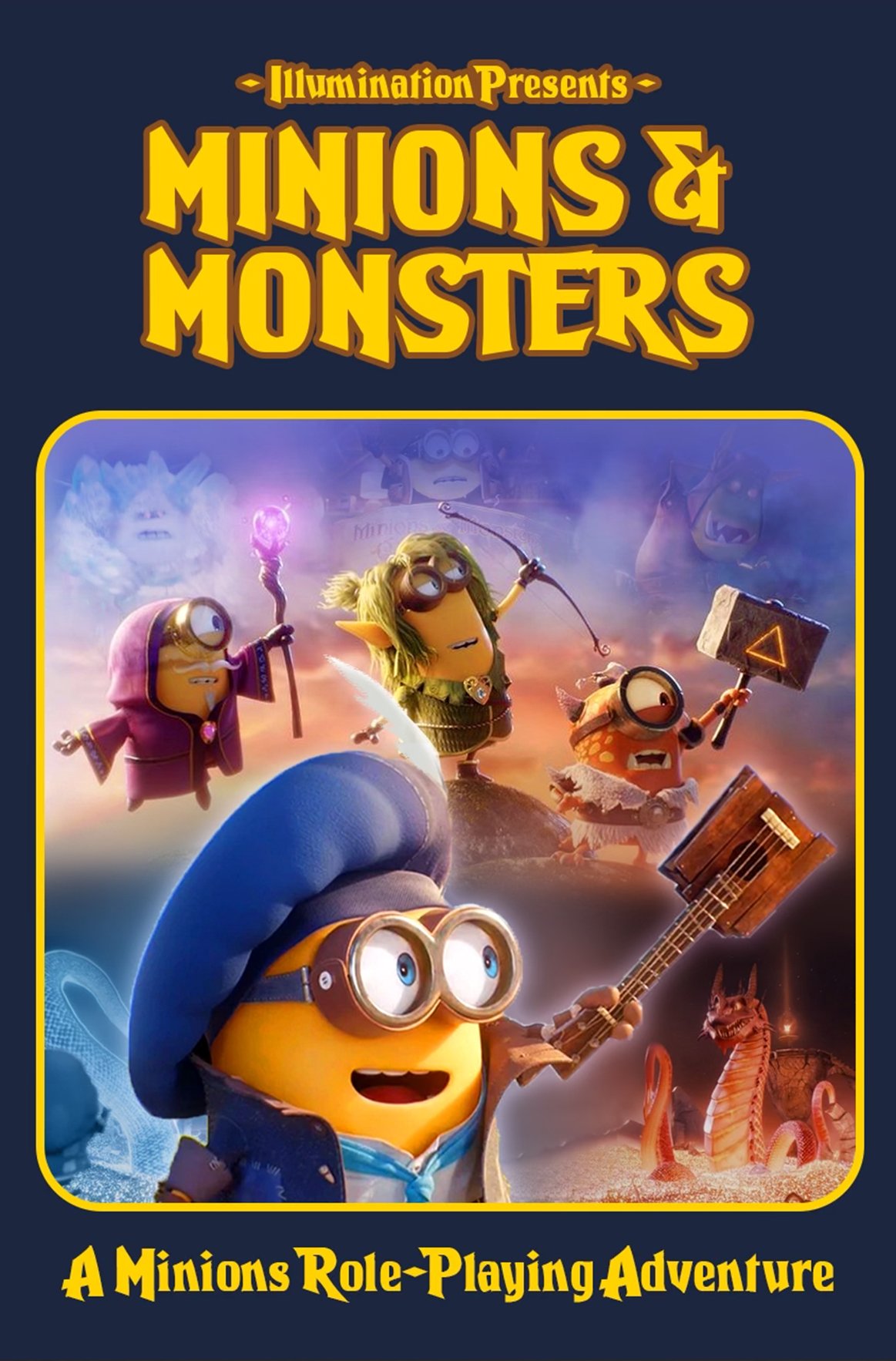
Minions & Monsters
Creator, Writer, Director
In 2018, I was brought in to create an original concept for the minions as part of a first-look deal, and prep for a feature (the shorts program is the full feature pipeline). Inspired by introducing my son to D&D, I created the “Minions & Monsters” concept for them. My original ‘Minion-size story’ was very simply a party of them setting out to be hero’s in a D&D world to slay a dragon, but ending up working for it instead, then ride it back to destroy the village they were supposed to save. One of the many challenges with the pipeline was to reuse as many pre-existing assets from the Minions film as possible - so I pitched a kitbashing approach to utilize rigs from other films as well. With the help of my co-director Chloe Leseur in France, we greatly expanded the scope of what was possible for thier short film program.
This concept inspired an entire feature film, also titled “Minions & Monsters”.
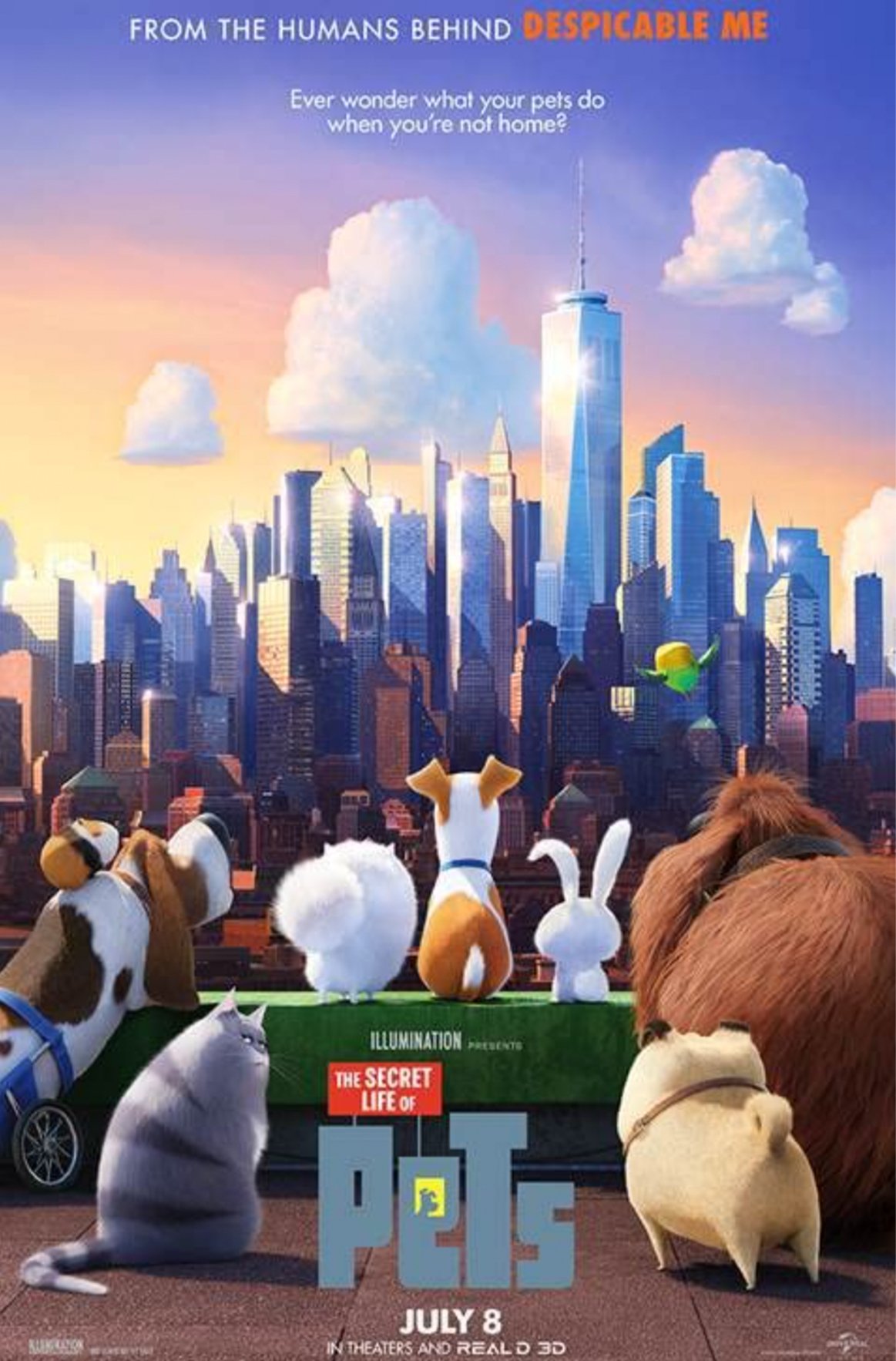
Secret Life of Pets
Story Artist
This was the first project I worked on exclusively remotely and ended up creating the first sequence to lock the tone of the film, and be sent into production. I was also asked to fill in as a director on the first short film spinoff.
The success of Secret Life of Pets led it to become the newest original franchise and pillar of IP for Illumination Studios following their Despicable Me/Minions Universe.
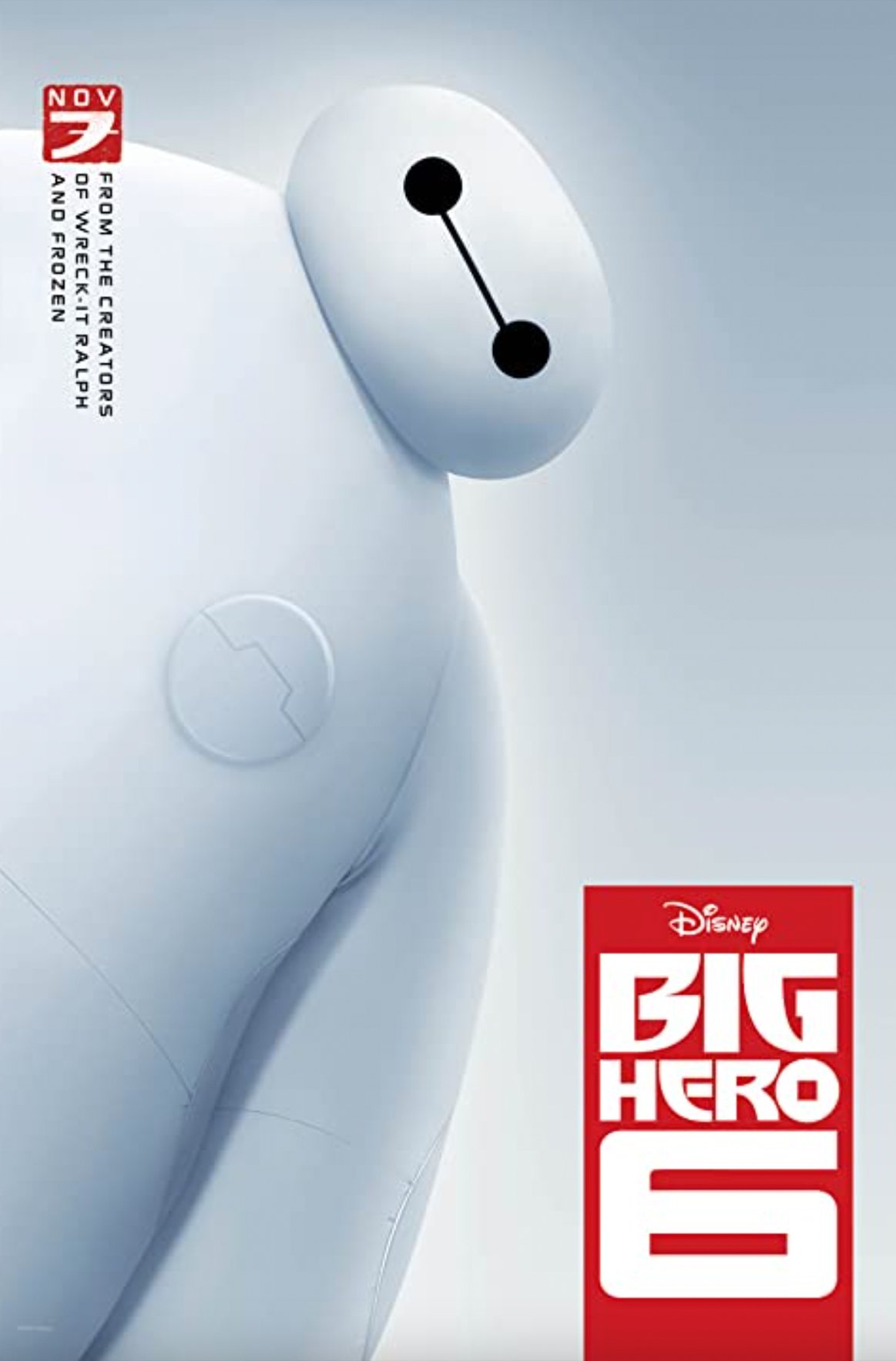
Big Hero 6
Story Artist
This was the first Marvel/Disney animated feature film which we began pre-Avengers as part of the initial MCU lineup. I was brought on as the first story artist by our Head of Story Joe Mateo, also working with Marvel Legend Joe Quesada to develop what was statistically Marvel’s least popular comic book, and turn it into one of its most successful by adapting it, and re-conceiving the story, characters, and world into a new Disney feature film.
Big Hero 6 went on to win a best animated film Oscar, and launch an entire franchise of theme park attractions, tv series, games, and sequel.
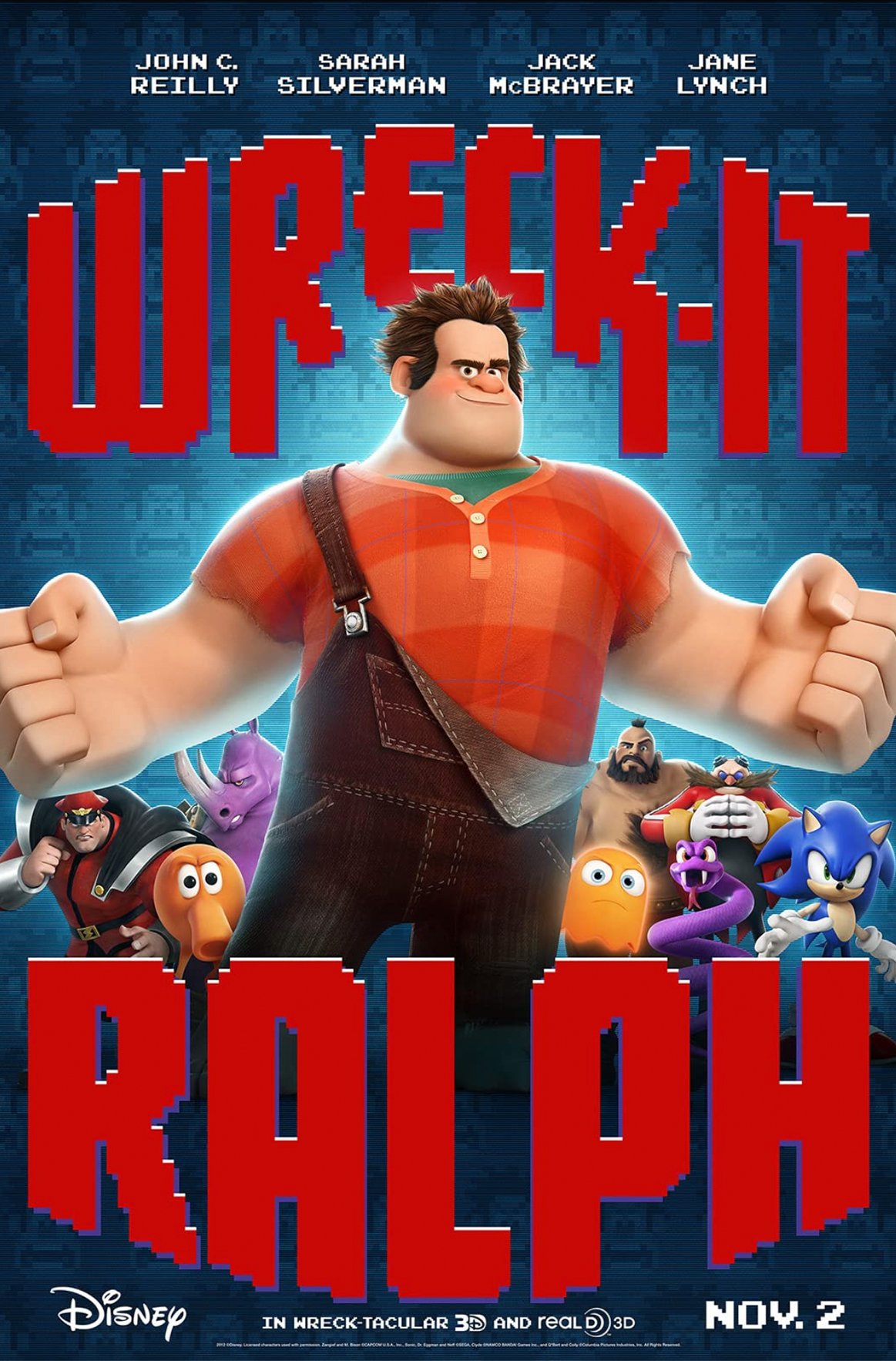
Wreck-It Ralph
Story Artist, Narrative Design
Originally titled “Reboot Ralph”, I was hired to help steer the show through an avalanche of story notes it was getting, one of the top ones being that it didn’t feel like a ‘video game movie’ which was the central premise. My unique background in game design as well as being a story artist made me uniquely suited to solve this for them - and along with my story work creating scenes, I also developed each of our main game worlds (Hero’s Duty, Sugar Rush) as games in and of themselves - as an extension of my job. I was also asked to help in meetings with Disney’s legal team to help strategize which IP to fight for rights to from a story-perspective. One of our other directives for this film was to shake up a stagnant story culture at the feature animation studio.
Wreck-It Ralph’s success spawned a new franchise for Disney of Sequels, Games, Toys, and more, and internally helped pave the way for a number of hits that followed.
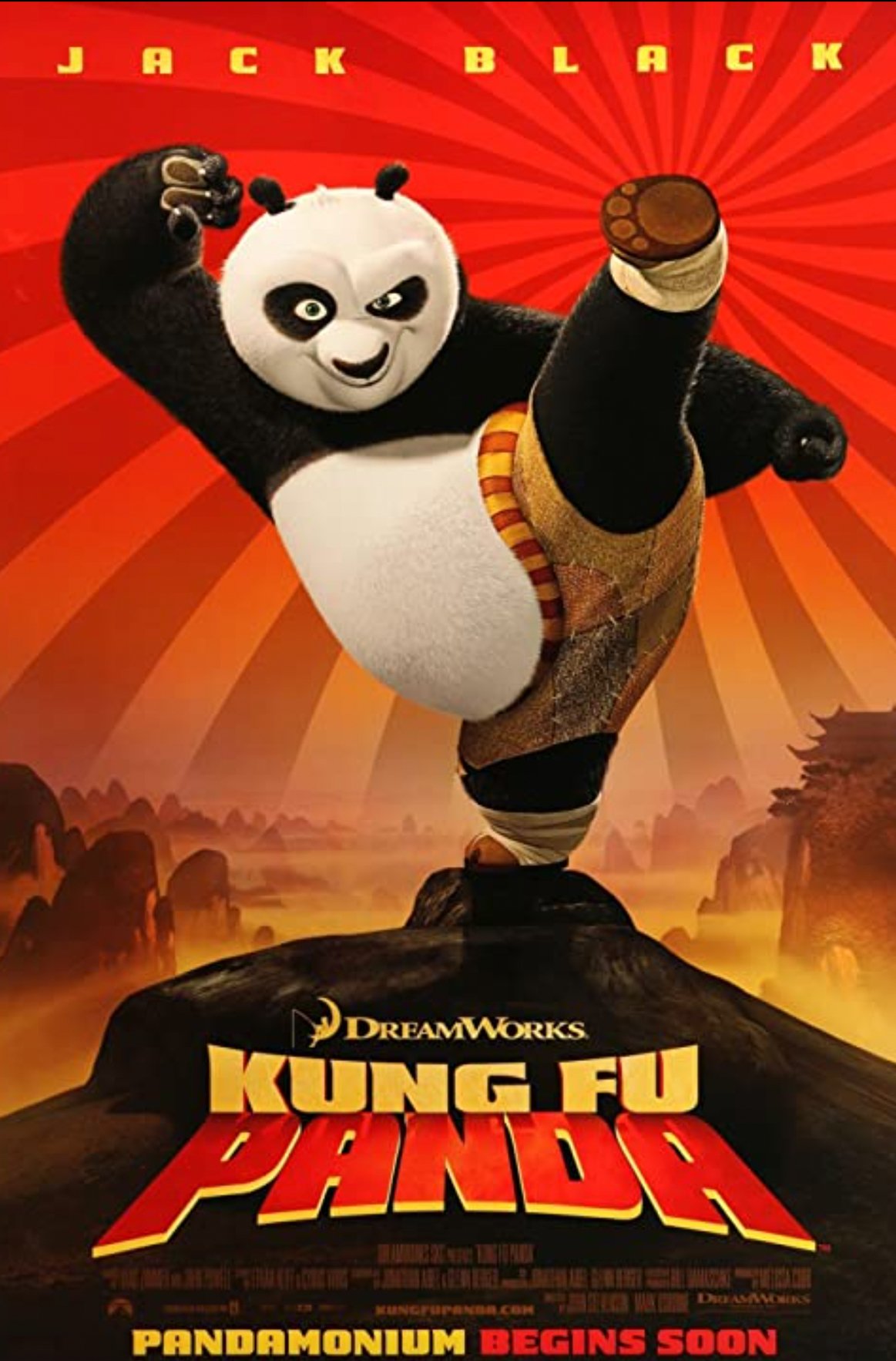
Kung-Fu Panda
Writing, Direction, Story Artist
My contributions to Kung-Fu Panda cannot be overstated. I played a central role in creating the character of Po and his relationships to the cast in my earliest sequences. From that I was thrown into the executive level of the films development, and tasked with writing/re-writing scenes to launch other story artists on, then work in the initial voice records with Jack Black and Dustin Hoffman to find the voices for the characters. Asked to share ‘my vision for the film’, I wrote and storyboarded the opening 2D sequence of the film, convincing Dreamworks to open a shuttered 2D animation division. My concept for our kung-fu action “Animals doing Animal-Style without human anatomy limitations” was something I also spearheaded with my midpoint ‘bridge fight’ setpiece, and was then was tapped to create our first spinoff direct-to-video sequel “Secrets of the Furious Five”.
Kung-Fu Panda went on to become a major franchise of sequels, televisions series, games, theme park attractions, and overall one of the primary pillars of IP Dreamworks Animation was built on - it’s second major franchise following Shrek.
– Professional Story Course –
Story Artist Foundations
“STORY ARTIST FOUNDATIONS” is a comprehensive 3-part course (15 weeks) in the foundations of creating and developing stories as a story artist for feature animation studios, built on 25+ years of direct experience across the feature animation industry’s top studios.